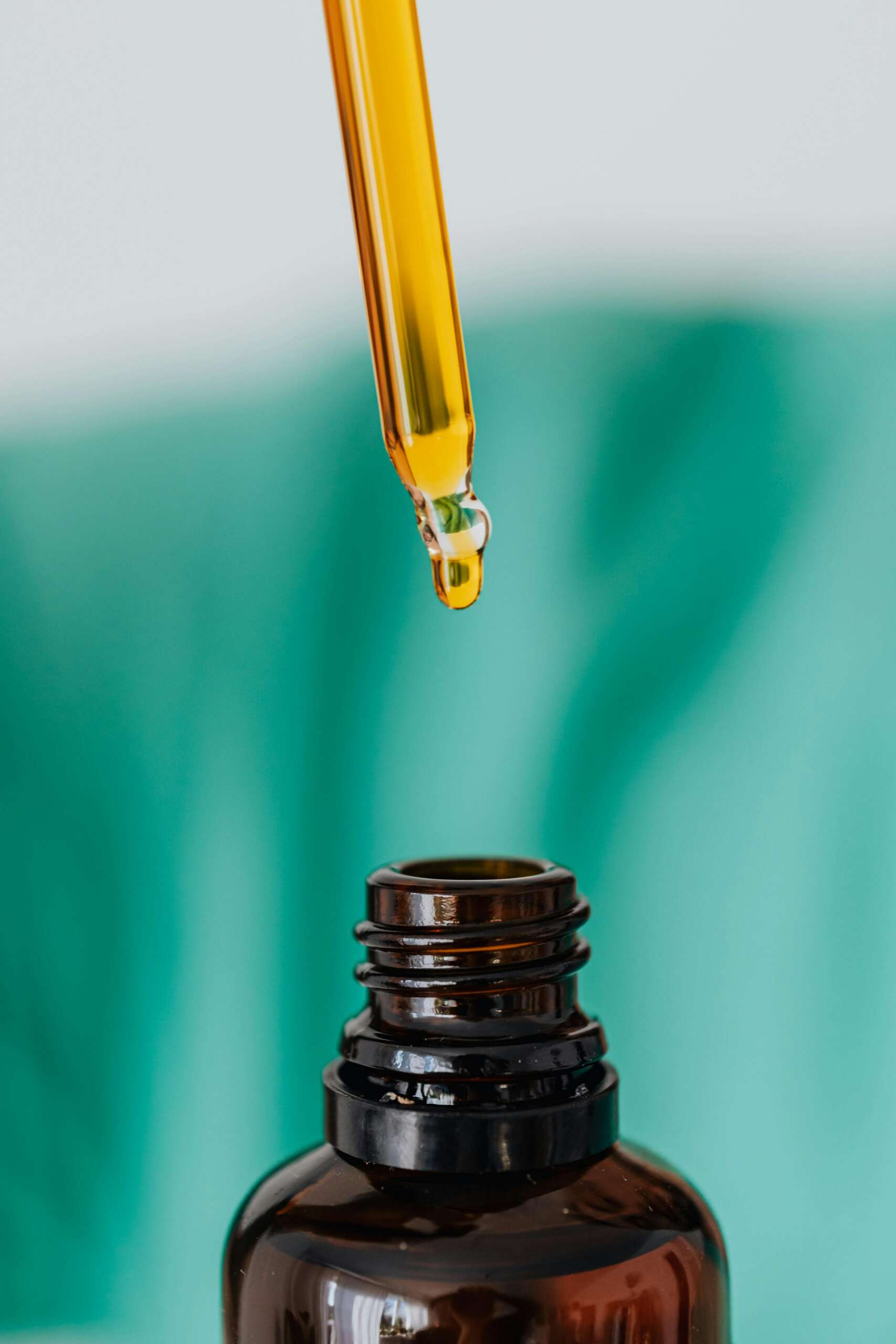
In the ever-evolving landscape of weight management and diabetes care, one class of drugs has consistently reshaped treatment paradigms: GLP-1s. Traditionally administered by injection, these powerful medications have earned widespread acclaim for their ability to promote weight loss and improve blood sugar control. Now, a new wave of innovation is making waves with a less invasive delivery method — sublingual GLP-1s.
Why Sublingual?
Sublingual administration involves placing a drug under the tongue, where it is absorbed directly into the bloodstream through the thin mucous membranes. This route bypasses the digestive system and liver metabolism, potentially allowing for faster and more efficient drug delivery.
The promise of sublingual GLP-1s is immense:
- Ease of Use: No needles, no injections
- Faster Onset: Direct absorption can speed up how quickly the medication works.
- Improved Compliance: Patients who fear needles or dislike injections may be more willing to stick with treatment.
The Science and Innovation Behind Sublingual GLP-1s
Developing an effective sublingual GLP-1 therapy is no small feat. GLP-1 molecules are large peptides that traditionally don’t survive the harsh environment of the stomach or absorb well through mucous membranes. Pharmaceutical researchers have had to innovate to stabilize these molecules and enhance their permeability.
Dr. Elaine Foster, an endocrinologist at the Metabolic Health Institute, explains:
“Sublingual delivery of GLP-1s represents a significant advancement. It addresses one of the biggest barriers to treatment adherence — the discomfort and stigma of injections. Early clinical data suggest we can achieve similar metabolic benefits without the need for needles, which is very promising for patient quality of life.”
Recent advances in formulation science, such as novel permeation enhancers and protective delivery systems, have paved the way for these new sublingual options. Early clinical trials suggest these formulations can maintain the efficacy of injectable GLP-1s while offering the convenience of oral administration.
What Does This Mean for Patients?
For people managing obesity or type 2 diabetes, the arrival of sublingual GLP-1s could be a game-changer. The psychological barrier of injections often contributes to delayed treatment or poor adherence. With sublingual options, more patients may feel empowered to initiate and maintain therapy, potentially improving outcomes and quality of life.
John, a 48-year-old living with type 2 diabetes, shares his experience:
“I was hesitant to start injections. The thought of needles every week was daunting. When my doctor told me about a new medication I could take under my tongue, I was intrigued. It’s so simple — just hold it under for a minute, and I’m done. My blood sugar has improved, and I actually look forward to taking it. It’s made managing my diabetes feel less like a chore.”
Moreover, the sublingual route can offer flexibility in dosing schedules and easier travel, making treatment less intrusive on daily routines.
The Future of Weight and Diabetes Management
The rise of sublingual GLP-1s fits into a broader trend of patient-centric drug delivery innovations. As pharmaceutical technology advances, treatments are becoming more convenient, less invasive, and better tailored to individual lifestyles.
For many, the idea of slimming down or controlling blood sugar without needles is a hopeful glimpse into the future of medicine — where powerful therapies can be as easy to take as a breath mint.